





Microcement vs Polished Plaster: Which Is Right for You?
Microcement vs Polished Plaster: Which Is Right for You?
Microcement and polished plaster are two of the most popular seamless wall finishes available, and they get compared constantly. Both give you smooth, joint-free surfaces with a high-end look. Both require a skilled applicator. Both cost considerably more than painting a wall.
Beyond that, they're quite different products — in how they're made, how they behave, and where they work well. This guide covers the real differences so you can make an informed choice, whether you're specifying a project or researching your own walls.
What Is Polished Plaster?
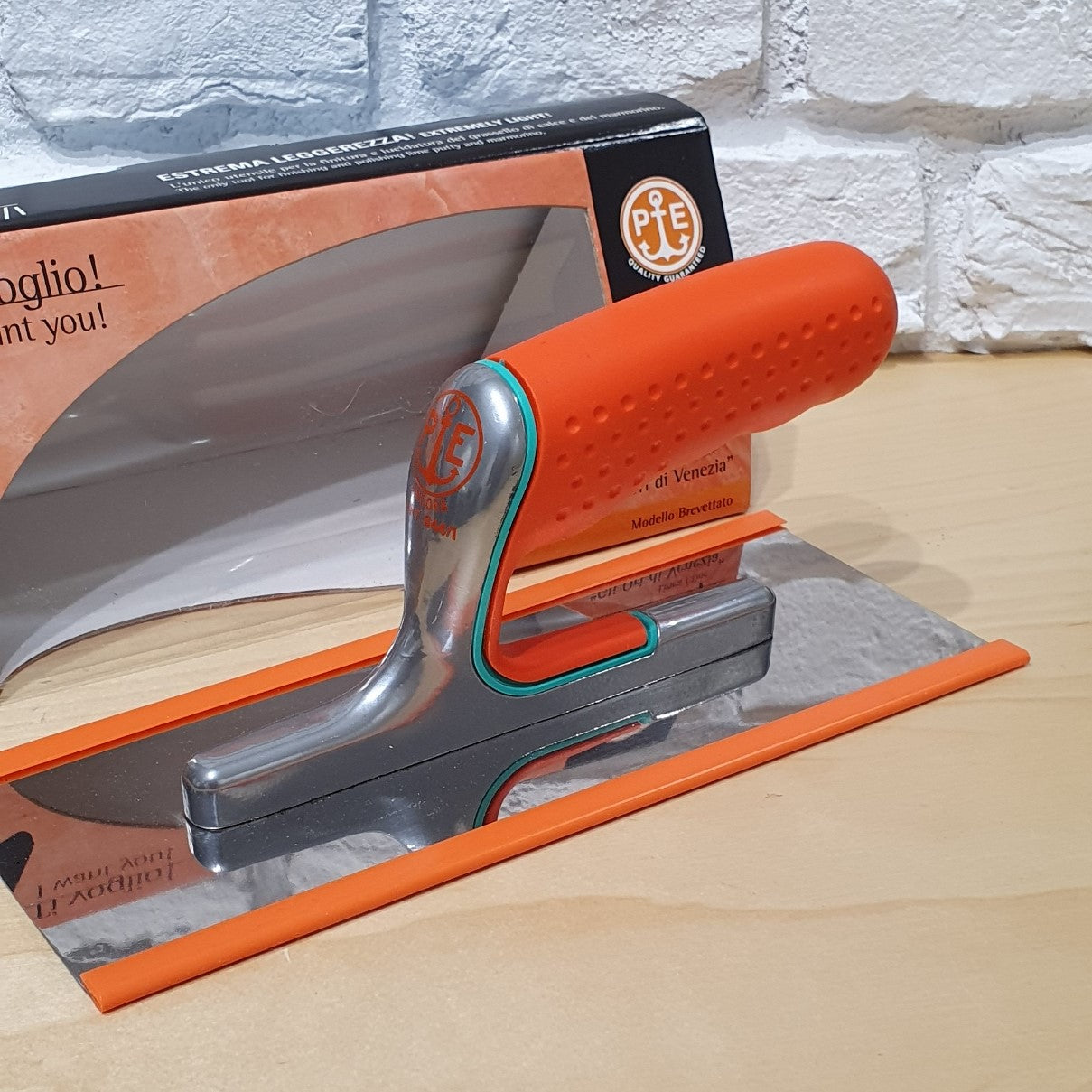
Polished plaster is a lime-based decorative coating made from slaked lime and crushed marble. It's applied in thin layers with a steel trowel and then burnished — worked repeatedly as it dries — to compress the surface and create the characteristic smooth, slightly reflective finish.
The term "polished plaster" covers a range of specific products with different characteristics. Marmorino uses finely ground marble and gives a natural stone look with subtle tonal variation. Lucidato is the most demanding finish in the category — applied in multiple coats and burnished to a high gloss using increasing trowel pressure. Both are lime-based, both are breathable, and both require genuine skill to apply well.
The key thing to understand about polished plaster is that the finish comes from the application process, not just the product. The depth and movement you see in a well-applied wall is a result of how the material is worked.
What Is Microcement?
Microcement is a cement-based coating modified with polymers and resins. It's applied in thin layers — typically 2 to 3mm in total — over walls, floors, worktops, and existing surfaces like tiles or plasterboard. Once applied and cured, it's sealed with a waterproof top coat.
The look is harder and more uniform than polished plaster: smooth, minimal, industrial. It's closer in feel to polished concrete than to lime plaster. The polymer content gives it flexibility and adhesion, which is why it can go over so many different substrates without the extensive preparation that traditional plasters require.
Microcement is a genuinely versatile product. Where polished plaster is primarily a wall and ceiling finish, microcement can go on floors, shower enclosures, and kitchen worktops.
How They Look and Feel
This is where the two products diverge most clearly.
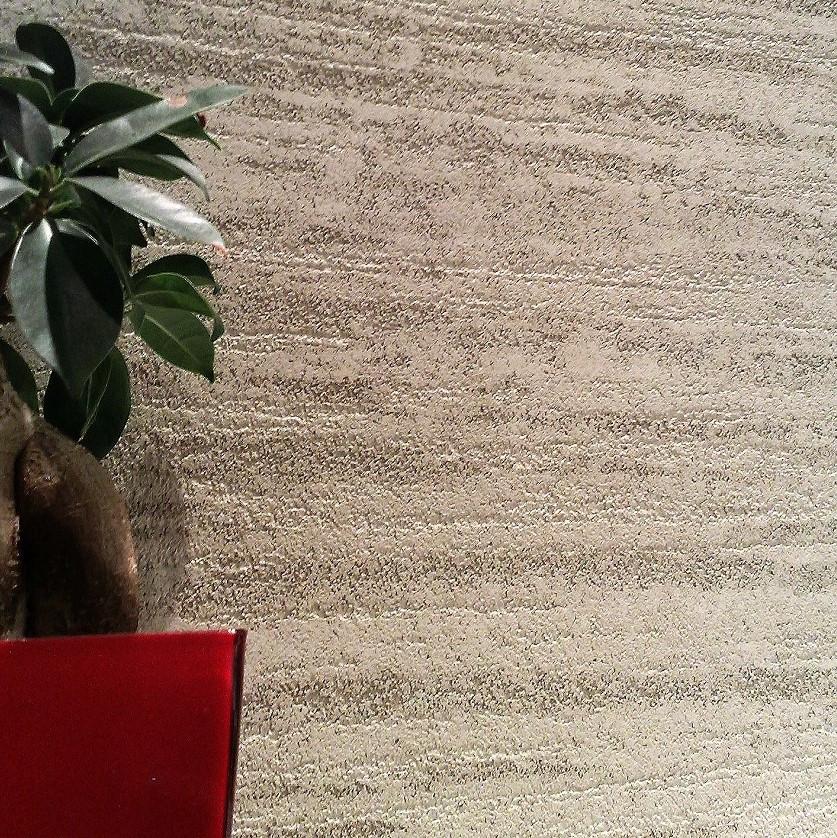
Polished plaster has warmth. The lime and marble base creates a surface with organic depth — slight tonal variation, a soft reflectivity that changes with the light, subtle texture you can feel if you run a hand across it. It reads differently at different times of day. Colours tend to look richer and more complex than they do in a painted equivalent.
Microcement is cleaner and cooler. The surface is more uniform, the colour more consistent across the wall. The aesthetic reference point is poured concrete or raw industrial finishes, not Italian lime work. That's not a weakness — it's exactly what a lot of contemporary interiors are looking for — but it's a genuinely different visual result.
Neither is objectively better. If you want warmth, depth, and a slightly artisanal quality, polished plaster is the right choice. If you want a minimal, uniform, hard-wearing surface, microcement is likely the better fit.
Where Each One Works
Polished plaster is best suited to interior walls and ceilings. It's the right choice for living rooms, bedrooms, hallways, and dining rooms where you want a decorative finish with visual interest. It can be used in bathrooms and kitchens, but it needs to be properly sealed in any area exposed to moisture — and even then, it's better kept away from direct water splash. For a shower enclosure, polished plaster is not the right product.
Microcement has a much wider range of applications. It works on walls and floors, making it a natural choice for bathrooms, wet rooms, and kitchens where you need a seamless finish that handles water and daily wear. It can go over existing tiles, which makes it practical for renovation projects where ripping out old surfaces isn't an option. It's also used on furniture, bath surrounds, and worktops.
If you're doing a wet room or bathroom floor, microcement is the appropriate material. If you're doing a living room feature wall, polished plaster will generally give a more interesting result.
Application
Both products need a professional applicator for good results, but they require different skills.
Polished plaster is applied with a steel trowel in multiple thin coats — usually three for most finishes, and more for high-gloss Lucidato. The technique involves working the material as it dries, building up and compressing the surface to create depth and sheen. It's physically demanding and requires a developed feel for how the material behaves. Results vary significantly between applicators.
Microcement is applied in stages: primer, base coats, finish coat, then sealer. It's more systematic than polished plaster. The application is still skilled work and uneven technique shows, but the product is arguably more forgiving than a burnished lime finish. The main risk with microcement is in the prep and sealing — a poorly primed substrate will cause adhesion failures, and insufficient sealing will lead to staining.
For DIY: Marmorino is a polished plaster that confident DIYers with some trowel experience have applied successfully, particularly for single walls. Microcement DIY kits exist, but the sealing process in particular is unforgiving. Neither product is suitable for a first attempt with no plastering background.
Durability and Maintenance
Microcement, when sealed correctly, is hard, waterproof, and resistant to impact. It handles floors, kitchens, and bathrooms well and is straightforward to clean. If it does chip or crack — which can happen at joints or over movement in the substrate — localised repairs can be difficult to blend invisibly.
Polished plaster is durable on walls but softer than microcement. It can be marked by sharp impacts and will absorb moisture if not sealed in damp areas. The upside is that small repairs tend to blend more naturally into the surrounding surface, because the hand-applied variation in polished plaster makes slight differences less noticeable.
Both finishes require occasional maintenance. Polished plaster walls benefit from a light rewax every few years depending on the product. Sealed microcement may need the sealer refreshed in high-use or wet areas over time.
Cost
Applied costs vary widely depending on the project, but as a rough guide in the UK:
Polished plaster typically costs between £40 and £120 per square metre for professionally applied work, depending on the finish type and coat count — Lucidato at the higher end, Marmorino at the lower.
Microcement sits broadly between £85 and £170 per square metre for walls, and can be higher for floors with full waterproofing systems. The per-square-metre difference partly reflects the additional materials involved — primer, waterproof sealer, multiple product stages — rather than just application difficulty.
Which Should You Choose?
Choose polished plaster if you want a wall finish with organic warmth, depth, and texture — particularly in living rooms, bedrooms, and hallways. If the look you're after involves natural tonal variation and a surface that interacts with light in a nuanced way, polished plaster will do things microcement can't.
Choose microcement if you need a seamless finish that handles water, goes on a floor, or needs to cover an existing tiled surface. If the design brief is minimal and contemporary, microcement's uniformity may actually be the point.
For some projects, both materials work: polished plaster on a feature wall, microcement on the floor of the same room. They're not mutually exclusive.
A note on where we stand: we specialise in polished plaster products. If microcement is the right material for your project, we'd point you elsewhere — but if you're considering polished plaster, we can help with product choice, samples, and application guidance.
The Polished Plaster Company supplies Marmorino, Lucidato, and a full range of application tools and accessories. Free application guides are available with every order.
Leave a comment